Not every holiday has to be about rushing from one attraction to the next. Slow tourism is a growing travel philosophy that invites us to pause, spend more time in one place, and connect with local people, culture, and nature. Instead of counting destinations, slow tourism is about collecting experiences. It's travel that feels more like living.
Where Slow Tourism Comes From
The idea of slow tourism is inspired by the Slow Food movement and Cittaslow — the "slow cities" network. Both movements encourage us to enjoy quality over quantity and to respect local traditions and environments. In the same way, slow tourism asks us to travel mindfully — choosing fewer places, staying longer, and experiencing them more deeply.
The Core Principles of Slow Tourism
1. Stay Longer, Move Less
Instead of visiting five towns in three days, slow tourists might choose one town and stay for a week. This gives time to explore its streets, understand its rhythm, and notice details often missed when rushing through.
2. Authentic Experiences
Slow tourism means going beyond the postcard version of a destination. It's about joining a local festival, learning a craft, or eating what the locals eat. Authenticity matters more than "must-see" checklists.
3. Sustainability
By traveling slowly, we naturally reduce our environmental footprint. Taking a train instead of a plane, cycling to explore the countryside, or buying from small family farms are all part of the mindset. Slow tourism supports local economies in fairer and greener ways.
4. Cultural Sensitivity
It's not just about visiting a place, but respecting it. Slow travelers listen, learn local words, and approach communities with curiosity rather than consumption. This builds real human connections.
5. Well-being and Mindfulness
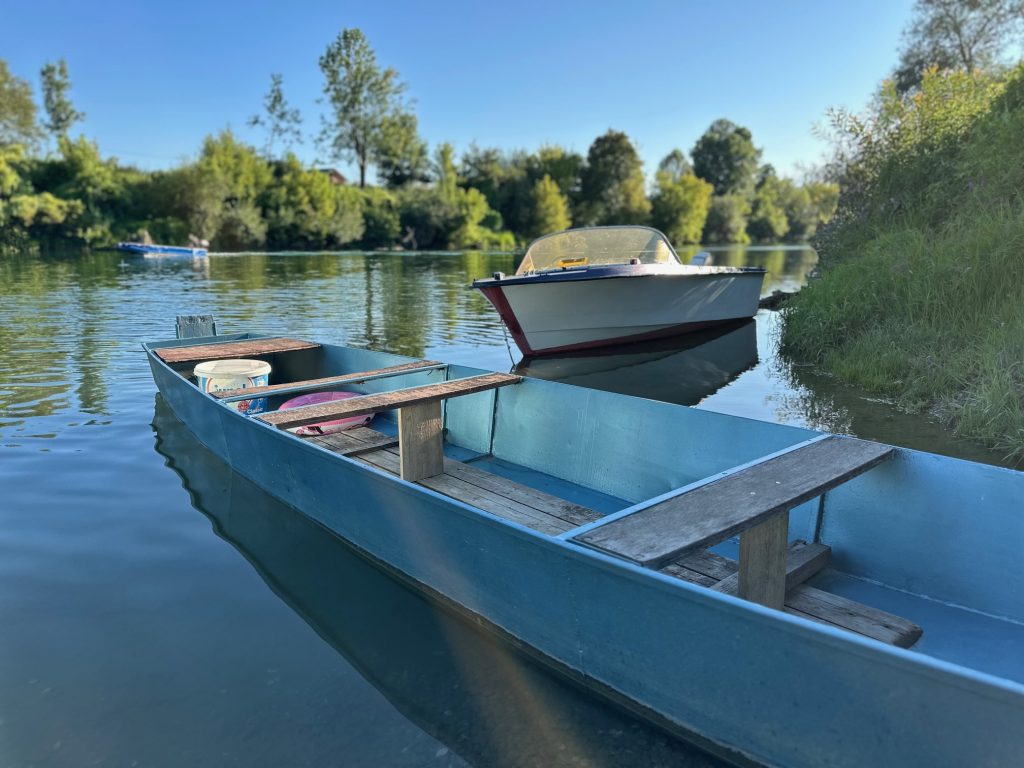
A slower pace means less stress and more awareness. Whether it's walking along a river, sipping local wine, or talking with a farmer at his gate, slow tourism encourages you to be present and enjoy the moment.
Why Slow Tourism Makes Sense Today
Travel is often sold as a race — "10 countries in 7 days" or "Top 20 things to see." But many people return from such trips exhausted, not enriched. Slow tourism offers an alternative. It reduces stress, saves money by staying in local guesthouses, and creates deeper memories. Instead of remembering airports and queues, you'll remember names, meals, and moments.
"Maybe you don't even know it yet, but you might already love slow tourism. It's not a travel trend — it's a lifestyle."
Examples of Slow Tourism in Practice
Slow tourism shows itself in many simple ways:
- Staying on a farm and tasting what is grown there rather than dining in chain restaurants
- Cycling or hiking between villages instead of driving past them
- Visiting small museums where you meet people rather than crowds
- Joining a workshop — baking bread, making wine, or learning a craft
- Exploring inland regions that mass tourism overlooks, where the pace is naturally slower
Why It Matters for Inland Croatia
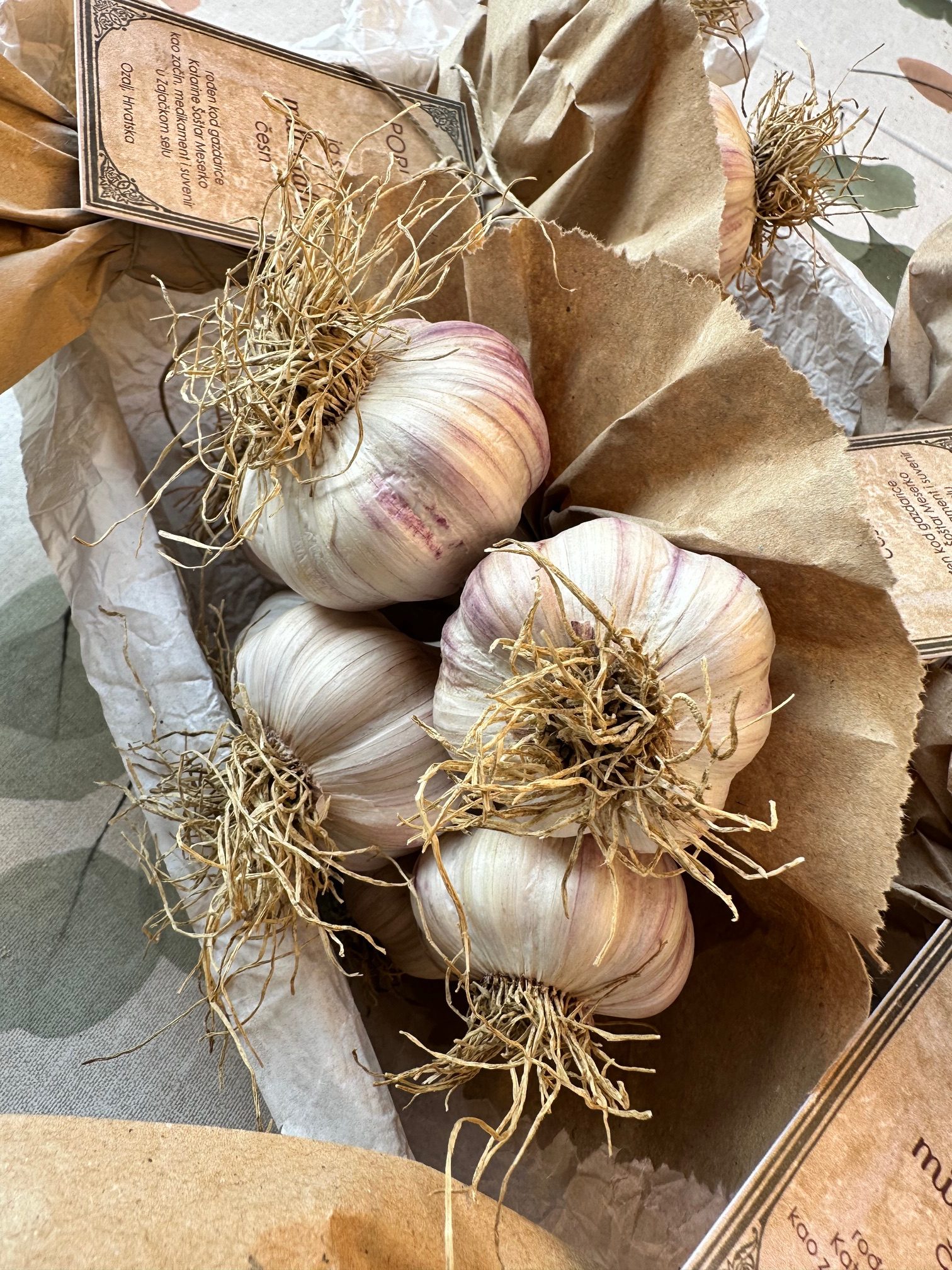
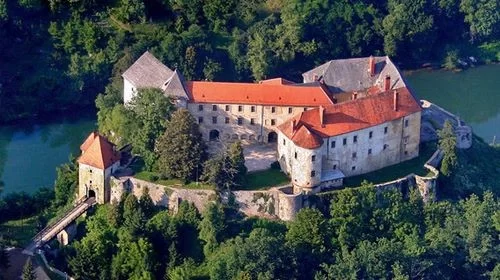
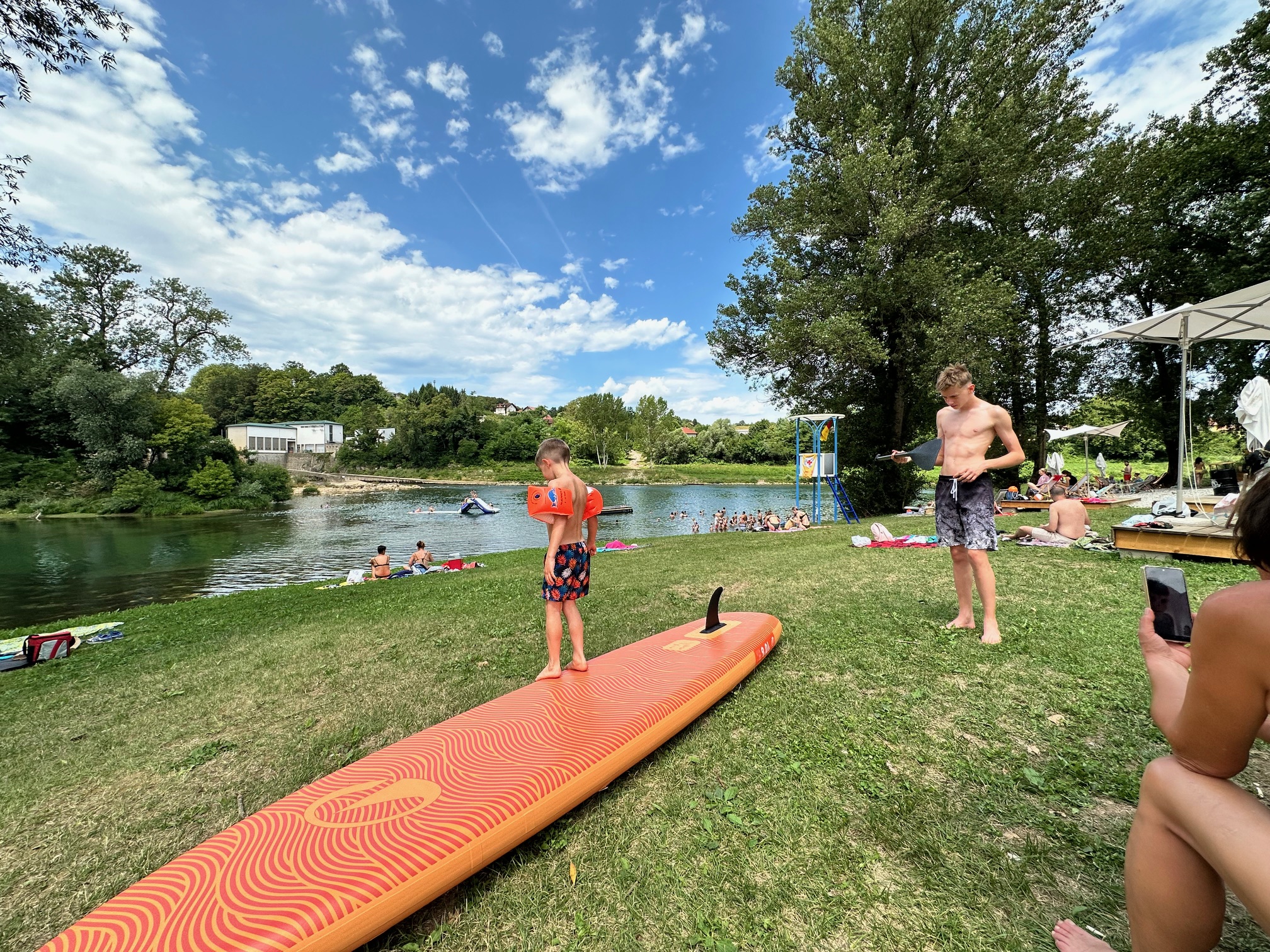
Inland Croatia, with its rivers, hills, castles, and vineyards, is a perfect setting for slow tourism. Places like Ozalj or Karlovac are not built for mass tourism — and that's their strength. Here, travelers can spend days walking, kayaking, tasting local garlic or wine, and talking to people who actually live here. This kind of tourism doesn't just bring income; it strengthens community pride and preserves heritage.
Slow tourism is not about doing less, but about doing things more meaningfully. It's about quality, not quantity. By staying longer, spending thoughtfully, and engaging with places and people, travel becomes richer — for visitors and locals alike.
So next time you plan a trip, think less about "how many" and more about "how well." Slow down — you might just discover more.